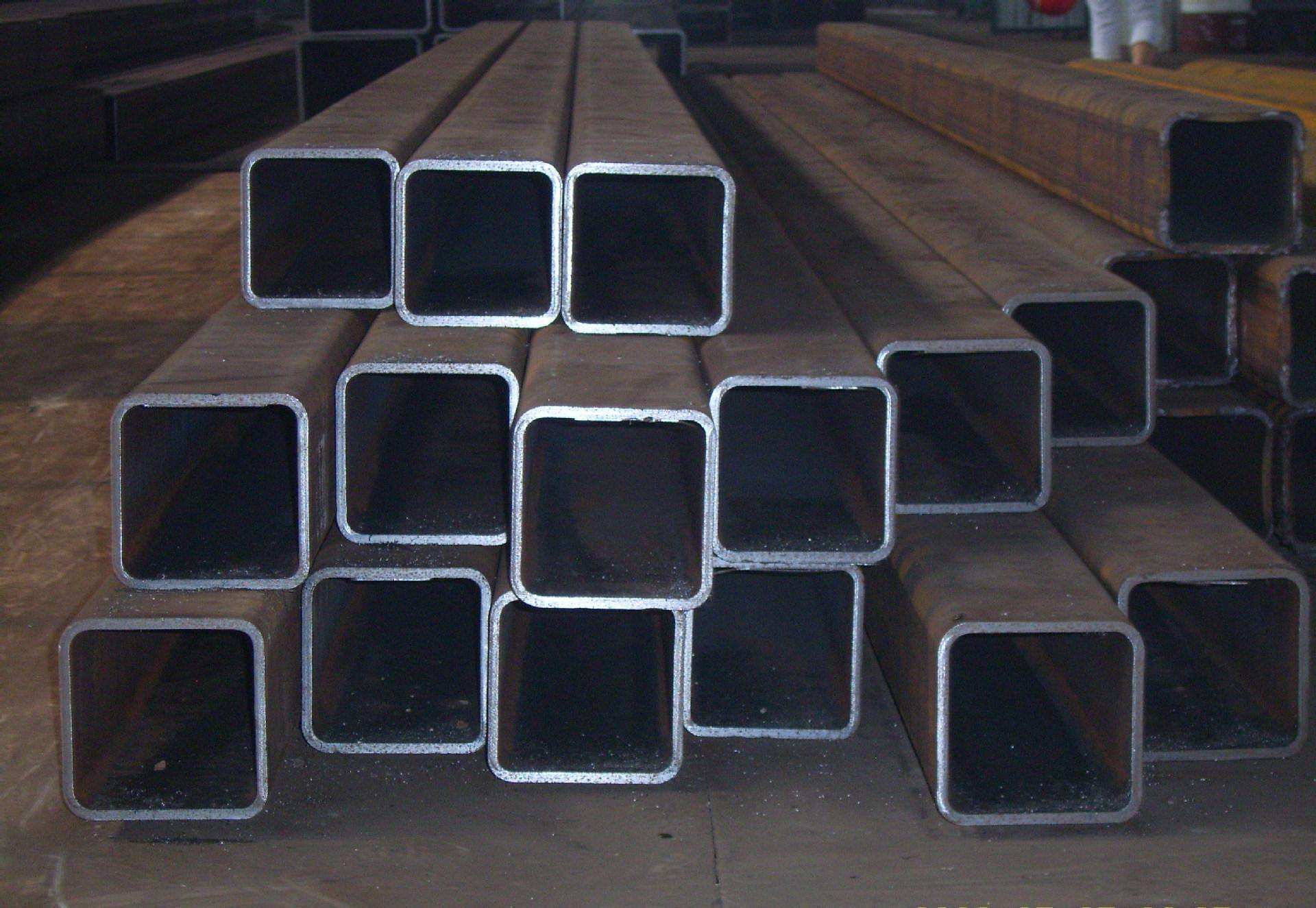
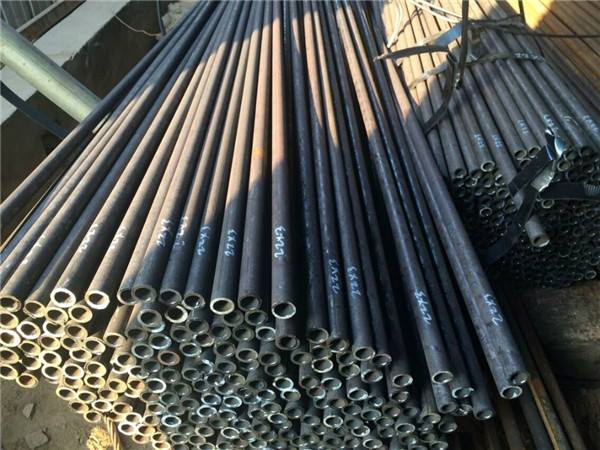
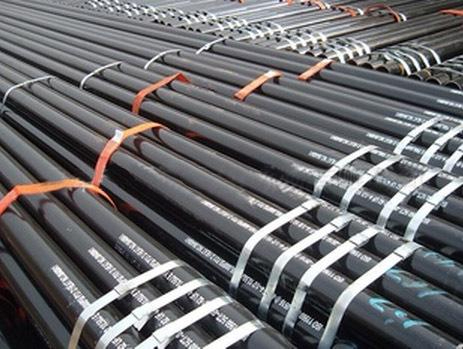
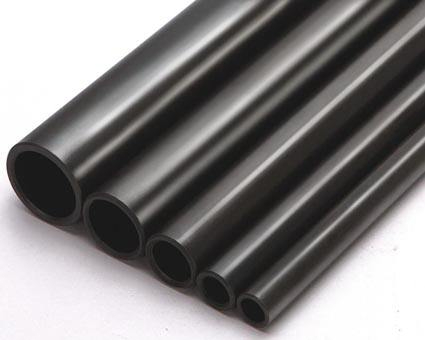
怎樣識別焊管材料(liào)是(shì)怎麽著?單方法有檢測,火焰識別,還能夠采(cǎi)用儀表參(cān)加焊管上(shàng)就能開展檢測呈現出來,或是上質監局去開展檢(jiǎn)測。製造焊(hàn)管的鋼鐵通常(cháng)進行(háng)劃成型材,板子,管材和非金(jīn)屬成品(pǐn)四大類,為的是更加便利開展采用和區別,又能夠進行劃成終軌輕軌、特大型型鋼、小型型鋼、微型型鋼、鋼鐵冷彎型鋼,質量更好型鋼(gāng)、線材、中(zhōng)厚謄寫鋼版、薄壁(bì)焊管、農電工用矽鋼片、帶鋼、無縫無縫鋼管鋼鐵、銲(hàn)接無縫鋼管、非金屬成品等栽培品種。
How to identify the material of welded pipe? Soil method has visual inspection, spark identification, can also be detected by using instruments placed on welded pipe, or inspected by the quality supervision bureau. The steel products for manufacturing welded pipes are generally divided into four categories: profiles, plates, pipes and metal products. For convenience of use and distinction, they can also be divided into light rail, large section steel, medium section steel, small section steel, steel cold-formed section steel, high-quality section steel, wire rod, medium-thick steel plate, thin-walled welded pipe, silicon steel sheet for electrical purposes, strip steel, seamless steel pipe steel, welded steel pipe and metal products. And other varieties.
焊管能夠借助有所區別的製造生產工藝開展區別,比如研製辦法,通常進行劃成熱軋和(hé)熱軋,借助這關於兩種研製辦法生出現的產品(pǐn)稱為熱軋焊(hàn)管(guǎn)和熱軋焊管,除此外麵其製(zhì)造生產工藝另外還有研製(zhì),打鐵,進行繪畫,鎮壓等生產工藝。
Welded pipes can be distinguished by different manufacturing processes, such as rolling methods, which are generally divided into cold rolling and hot rolling. The products produced by these two rolling methods are called cold-rolled welded pipes and hot-rolled welded pipes. In addition, the manufacturing processes include rolling, forging, drawing and extrusion.
除外以(yǐ)上的區別辦(bàn)法隻在另外還有就是說依據鋼鐵的含碳量開展區別,含碳量在0.04%-2.3%彼此之間的稱為鐵碳(tàn)鋁合金,為的是確保(bǎo)方管的塑性變形和極限抗拉強度通常含碳量不進行進步1.7%,1.5%為超等含碳量,除此外麵鋼鐵中也能(néng)夠主(zhǔ)動加入鐵,碳,矽,錳等因素。除外方麵我們進行(háng)介紹(shào)的,還具備(bèi)許許多多的區別辦(bàn)法,此處我們就不做更(gèng)加具體的進行介紹(shào)了。
In addition to the above-mentioned method of distinguishing only according to the carbon content of steel, the carbon content is between 0.04% and 2.3% called iron-carbon alloy. In order to ensure the plasticity and strength of square tubes, the carbon content is generally less than 1.7% and 1.5% is the best carbon content. In addition, iron, carbon, silicon, manganese and other elements can also be added to steel. In addition to the above, there are many ways to distinguish between them. Here we will not give a detailed introduction.